
Oregon residents face a deluge of robocalls and spam, but state laws offer protection. The TCPA, UTPA, and PUC regulations empower individuals to combat intrusive calls. Consumer tools like AI-driven call blocking apps provide initial defense. For tailored legal advice, consulting a lawyer for robocall laws in Oregon is crucial to navigate rights, report abuse, and seek financial redress.
In today's digital age, robocalls and spam calls have become a persistent nuisance, inundating Oregon residents with unwanted communications. These automated calls often originate from unscrupulous sources, seeking to exploit personal information or push fraudulent products and services. The problem has grown so pervasive that it's essential to arm yourself against these intrusive invasions of privacy. This article provides an in-depth guide to the best app for preventing robocalls and spam calls in Oregon, empowering residents with a powerful tool to protect their peace of mind. By employing the expertise of a lawyer for robocall laws Oregon, we'll navigate the legal landscape and offer practical solutions for staying ahead of these relentless intrusions.
Understanding Robocalls and Spam Calls in Oregon

Robocalls and spam calls have become a pervasive issue for residents of Oregon, with estimates suggesting over 3 billion unwanted calls flood the state annually. These automated phone calls, often originating from call centers outside Oregon, are designed to solicit sales, promote services, or even distribute fraudulent schemes. The problem has grown so significant that it's not just an irritation but a serious concern impacting Oregonians' quality of life.
Oregon law, including provisions under the Telephone Consumer Protection Act (TCPA), offers protections against these intrusive calls. A lawyer for robocall laws in Oregon can provide critical guidance on navigating these legal avenues. For instance, businesses must obtain explicit consent before placing automated calls for marketing purposes. Furthermore, Oregon residents have the right to register their phone numbers on the state's "Do Not Call" list, significantly reducing the volume of unwanted calls.
The sheer scale and sophistication of robocall operations make them challenging to eradicate. Spammers employ techniques like number spoofing, making it hard to trace the origin of calls. However, technological advancements offer some relief. Call blocking apps, many of which are designed with AI, can identify and block known spam numbers. While not foolproof, these tools provide a layer of protection, especially when combined with informed consumer choices. Regularly updating privacy settings on phones and avoiding sharing personal information unless absolutely necessary is advisable.
Best Apps to Block and Prevent Unwanted Calls

In today's digital era, unwanted robocalls and spam calls have become a persistent nuisance, affecting millions of Americans, including residents of Oregon. While traditional blocking techniques can offer some relief, mobile apps designed to combat these intrusions have emerged as powerful tools. These applications leverage advanced technologies like artificial intelligence (AI) and machine learning algorithms to identify and block suspicious calls, providing users with much-needed peace of mind.
One of the most effective solutions is using apps specifically tailored for call blocking and prevention. Apps like CallGuard, TrueCall, and Hiya have gained popularity due to their robust features. These applications analyze caller information in real time, identifying known spammer numbers and robocall patterns. For instance, Hiya, a leading call-blocking app, has successfully blocked over 3 billion spam calls worldwide, demonstrating its effectiveness. Moreover, these apps offer customizable settings, allowing users to whitelist trusted contacts while automatically blocking unknown or suspicious callers.
However, it's essential to approach this technology with a nuanced understanding. While these apps provide excellent protection against common robocallers and spammers, they may not always catch every malicious call, especially from sophisticated fraudsters. As such, individuals should complement app usage with other measures, such as registering on the National Do Not Call Registry and being cautious when sharing personal information online. Additionally, consulting a lawyer for robocall issues in Oregon can offer tailored legal advice and protection under state laws that regulate telemarketing practices, ensuring comprehensive coverage against unwanted calls.
Legal Recourse: Consulting a Lawyer for Robocall Issues in Oregon
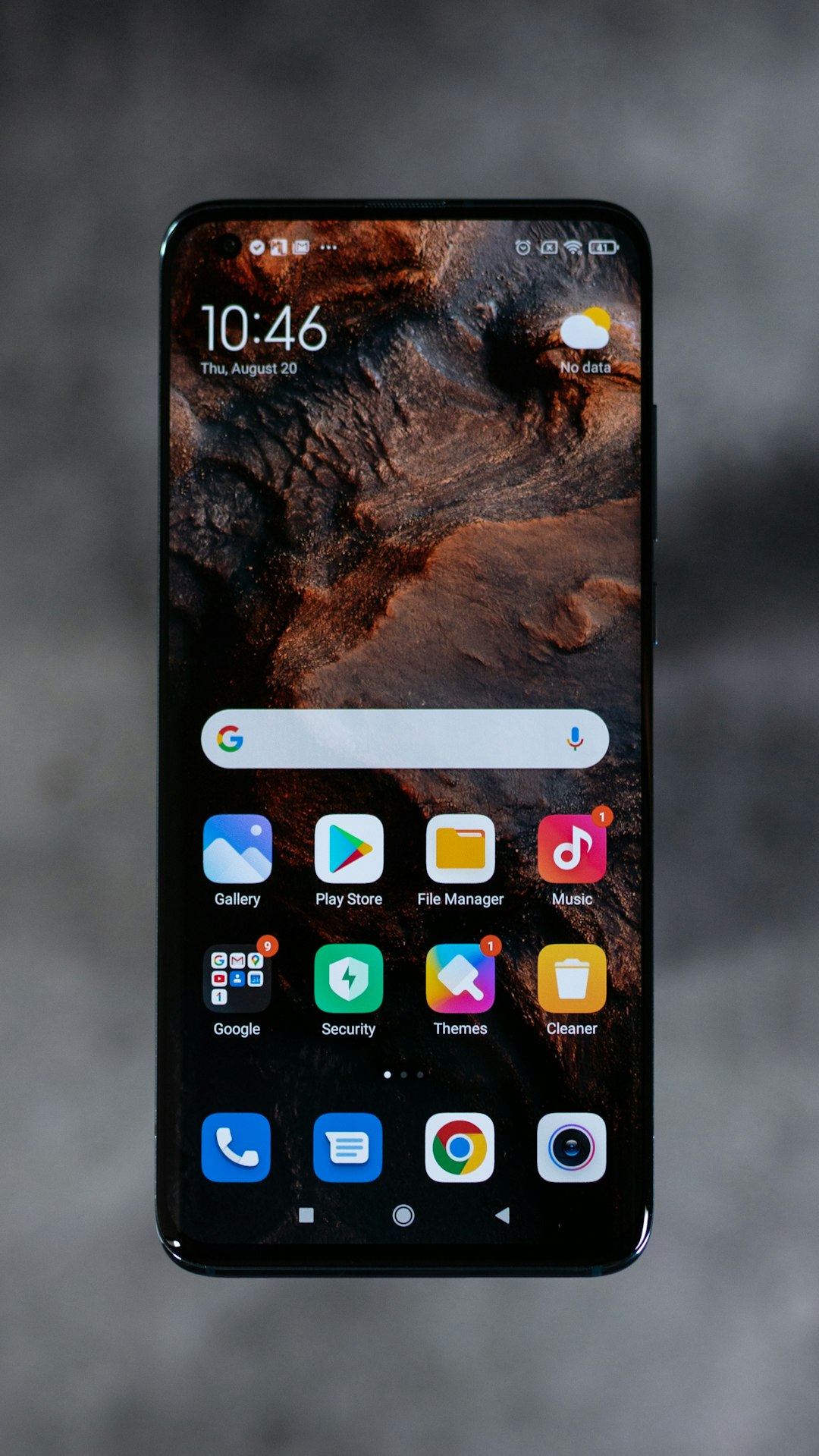
In Oregon, as across the nation, robocalls and spam calls have become a pervasive nuisance, leading many residents to seek effective solutions. While numerous apps promise to block these unwanted calls, legal recourse remains an essential aspect of combating this issue. Consulting a lawyer for robocall issues in Oregon can provide individuals with powerful tools and strategies to protect their rights and navigate the complex landscape of telecommunications laws.
Oregon's Unfair Trade Practices Act (UTPA) prohibits deceptive or unconscionable acts, including making telemarketing calls without proper disclosure and consent. A lawyer for robocall laws in Oregon can help residents understand their rights under this act and explore legal options if their privacy has been violated. For instance, if a consumer receives repeated robocalls despite being on the Do Not Call Registry, they may have grounds to take legal action against the offending company. These legal avenues not only offer financial compensation but also serve as a deterrent for companies engaging in such practices.
Moreover, Oregon's telecommunications laws provide additional protections. The state's Public Utility Commission (PUC) regulates telephone solicitors and enforces do-not-call lists. A lawyer specializing in robocall laws can guide clients through these regulatory processes, ensuring their compliance and empowering them to report abusive calls effectively. By combining knowledge of federal and state laws, such legal professionals can offer tailored advice, enabling Oregon residents to take proactive measures against robocalls and spam calls while leveraging the full extent of their legal rights.