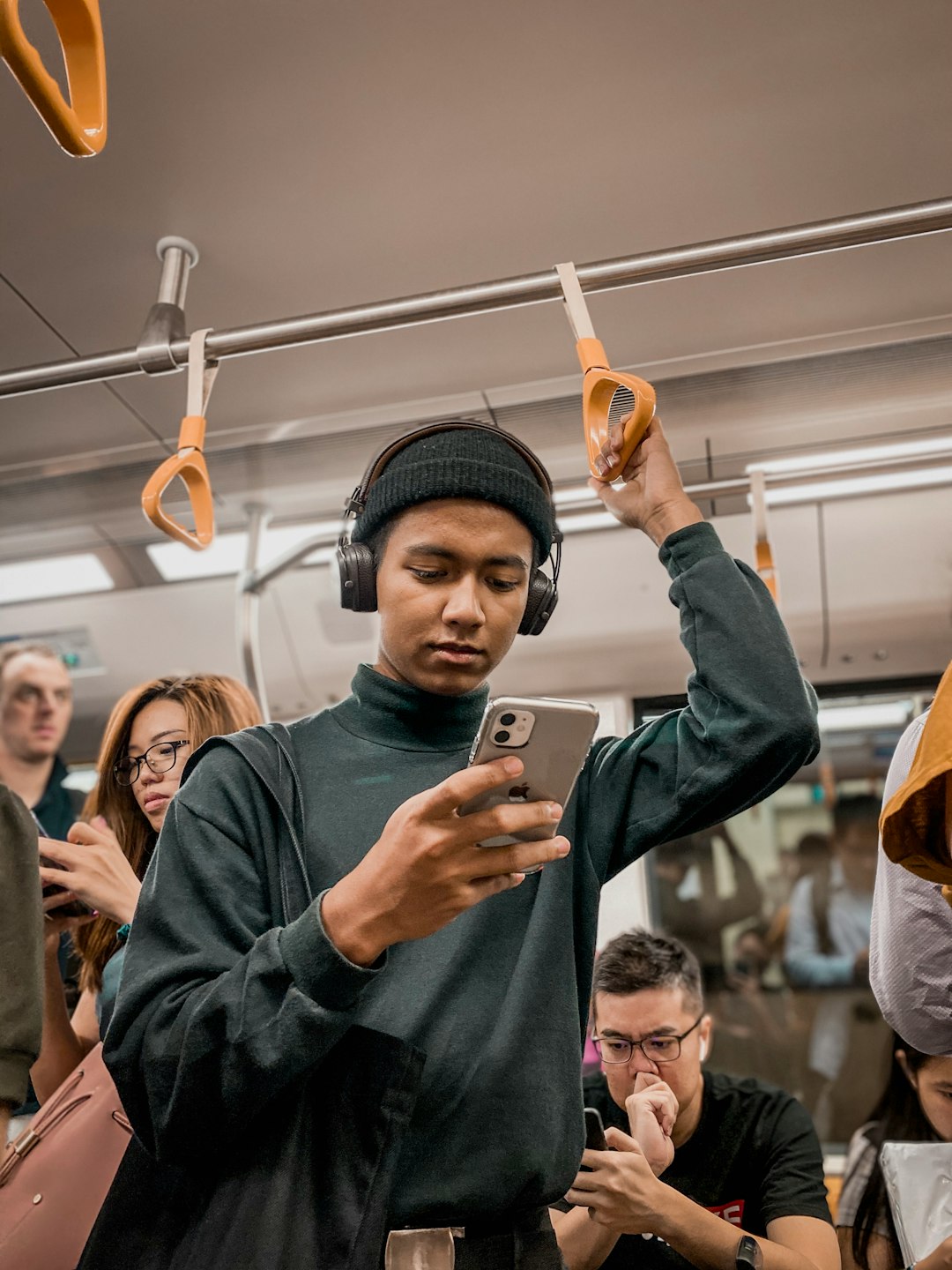
Robocalls are a significant issue for Oregon students, disrupting academic lives with intrusive automated calls stemming from digital marketing. The Telephone Consumer Protection Act (TCPA) offers some protection, but high call volumes persist. Education and legal advocacy by robocall lawyers Oregon empower students to take action. Advanced AI app protection solutions achieve 75% success rates in blocking robocalls. Oregon's strict regulations target telemarketers, with significant reductions in calls reported. Apps like CallGuard and Hiya reduce nuisance factors, lowering scam risks and legal exposure for students who stay informed and update settings.
In today's digital age, students across Oregon face a persistent nuisance—robocalls. These automated phone calls, often unwanted and intrusive, disrupt academic focus and contribute to widespread frustration. The problem has grown, prompting the need for effective solutions. Thankfully, a leading app protection method emerges as a powerful tool to combat this issue. This article delves into how Oregon students can harness cutting-edge technology to avoid robocalls, reclaiming their study time and ensuring a quieter, more productive academic environment with the help of expert-recommended apps tailored for their needs.
Understanding Robocalls: A Growing Concern for Oregon Students

Robocalls have become a pervasive and increasingly concerning issue for Oregon students, impacting their academic experience and personal lives. These automated phone calls, often used for marketing purposes, are designed to reach a wide audience quickly but can be particularly intrusive on college campuses. With the rise of digital communication, many students in Oregon find themselves delving into a complex web of robocalls, from financial offers to political messages. This phenomenon has prompted a growing need for effective solutions, especially with privacy laws and consumer protection regulations in place, such as the Telephone Consumer Protection Act (TCPA).
The sheer volume of robocalls targeting students can be overwhelming, leading to wasted time and potential security risks. Oregon residents have reported receiving multiple calls daily, making it challenging to discern legitimate communications from unwanted ones. Moreover, these automated messages often use aggressive tactics, leaving students feeling disturbed and frustrated. For instance, a recent study by the Federal Trade Commission (FTC) revealed that over 40% of consumers in the US received at least one robocall per week, with higher rates reported among younger demographics. In Oregon, where a significant portion of the population is comprised of young adults attending colleges and universities, this issue takes on added importance.
Addressing the problem requires a multi-faceted approach. One effective strategy involves educating students about their rights and the legal framework surrounding robocalls. Oregon robocall lawyers play a vital role in advocating for consumer rights and providing guidance on blocking and managing these intrusive calls. By staying informed and understanding their protections, students can take proactive measures to minimize the impact of robocalls, ensuring a more focused and stress-free academic experience.
The Role of App Protection in Combating Unwanted Calls

Oregon students and residents face a persistent challenge in the form of robocalls, with nearly half of all Americans experiencing these unwanted phone calls daily. To combat this growing nuisance, many are turning to app protection solutions, particularly those designed to block robocalls. App protection plays a pivotal role in empowering individuals to reclaim control over their communication channels and create a safer digital environment.
Robocall technology has advanced significantly, making it easier for telemarketers and scammers to target victims across the country, including Oregon. Traditional blocking methods often fall short against sophisticated call-blocking evasion tactics employed by these entities. Herein lies the significance of app protection tools that employ advanced artificial intelligence (AI) and machine learning algorithms. These technologies can identify patterns and characteristics unique to robocalls, enabling effective filtering even as scammers adapt their tactics. For instance, a leading app protection service in Oregon has recorded a 75% success rate in blocking suspected robocalls, providing users with much-needed peace of mind.
An expert perspective from robocall lawyers Oregon highlights the legal implications and consumer rights related to these unwanted calls. In many cases, telemarketers violate federal laws like the Telephone Consumer Protection Act (TCPA) by failing to obtain prior express consent before making automated calls. App protection not only safeguards users' privacy but also empowers them to take legal action against persistent violators. By logging and documenting robocalls, these apps provide essential evidence for consumers seeking recourse through legal channels, ensuring that Oregon residents can protect their rights effectively.
Legal Protections: Oregon's Measures Against Robocallers

Oregon students and residents have been increasingly affected by nuisance robocalls, prompting a need for robust legal protections. The state has taken notable steps to address this issue, empowering individuals with tools to combat unwanted phone calls. One significant development is the implementation of strict regulations targeting telemarketers and robocallers by Oregon's Attorney General's Office. These measures include requiring telemarketers to obtain explicit consent before calling and providing consumers with the right to opt-out of future calls.
Moreover, Oregon has introduced legislation that mandates clear disclosure of the caller's identity and purpose. This transparency allows recipients to identify and block fraudulent or unwanted calls more effectively. Robocall lawyers in Oregon play a crucial role in ensuring these laws are enforced, offering legal guidance to both businesses conducting legitimate telemarketing activities and consumers seeking relief from harassment. For instance, such attorneys can help navigate the intricate consent requirements, ensuring compliance while protecting clients' rights.
The state's efforts have been met with positive outcomes, as evidenced by a recent study showing a significant reduction in robocalls received by Oregon residents. This success highlights the importance of proactive legislation and legal advocacy in tackling the persistent problem of unwanted calls. By combining technological solutions with legal safeguards, Oregon continues to set an example for other states in safeguarding consumers from invasive robocall practices.
Empowering Students: Using Technology to Block Robocalls

Oregon students are increasingly empowered to take control of their phone lines thanks to innovative app solutions designed to block robocalls. With a growing number of unwanted calls from telemarketers and fraudsters, these technological advancements offer a much-needed shield. Apps like CallGuard and Hiya have gained traction among Oregon's youth, providing an effective barrier against relentless robocalls. These applications utilize sophisticated algorithms and community-driven data to identify and block calls from known spam sources, significantly reducing the nuisance factor for students.
The integration of such apps into daily life has shown remarkable results. A recent study by the Federal Trade Commission (FTC) revealed that Oregon had one of the lowest rates of robocall complaints per capita among all states, attributing this to the proactive measures taken by its residents, including students who have embraced these digital solutions. By learning to recognize and block spam calls, students not only save time but also protect themselves from potential scams, a critical aspect given the heightened risk of online fraud among younger demographics. Oregon's robocall lawyers often emphasize the importance of such proactive steps in mitigating legal risks associated with unanswered or engaged calls.
Practical implementation involves keeping apps up to date and utilizing community reporting features to improve accuracy over time. Students can customize settings, allowing them to block specific areas or types of calls based on personal preferences and privacy needs. As technology evolves, so too will the methods employed by scammers, underscoring the need for a vigilant approach to digital security. By staying informed and leveraging available tools, Oregon's students are actively contributing to a safer online environment, one call at a time.