
Robocall blocker apps integrated with Oregon telecom networks effectively combat growing spam call volumes. These tools use advanced algorithms and machine learning to block fraudulent calls in real time, leveraging carrier partnerships for customized solutions. Robocall lawyers Oregon advocate for stricter regulations, emphasizing app-network integration for consumer privacy protection. Collaboration offers automatic number filtering, real-time blocking, enhanced user control, and reduced infrastructure load. Key insights for businesses: obtain explicit consent, provide opt-out options, and document call records. Consumers should review privacy settings and report suspected unlawful calls.
In today’s digital age, the relentless surge of robocalls has become a ubiquitous nuisance for residents across Oregon. These automated calls, often from telemarketers or fraudulent schemes, disrupt daily life and pose significant challenges to privacy and security. Robocall Lawyers Oregon have noted the increasing distress caused by these calls, leading to a pressing need for effective solutions.
To combat this issue, a new development is the integration of robocall blocker apps with Oregon’s telecom providers. This strategic move offers a promising avenue to mitigate the deluge of unwanted calls, providing much-needed relief to citizens and businesses alike. The following article delves into this innovative approach, exploring its potential impact on curbing robocalls in Oregon.
Understanding Robocall Blockers in Oregon: A Comprehensive Overview

Robocall blockers have become an indispensable tool for Oregon residents facing relentless spam calls. These apps, designed to integrate seamlessly with local telecom providers, offer a comprehensive solution to combat the rising tide of automated robocalls plaguing the state. Understanding how these tools work and their integration with Oregon’s telecom infrastructure is crucial in staying protected.
In Oregon, as across the nation, robocall volume has skyrocketed, driven by malicious actors leveraging advanced technology to make bulk calls for fraudulent purposes. This surge poses significant challenges for both consumers and telecom carriers. Robocall blocker apps address this issue through sophisticated algorithms that analyze incoming call data in real-time. Upon detection of a potential spam call, these apps either block the call or flag it as a possible scam attempt, providing users with much-needed peace of mind.
The integration process involves close collaboration between app developers and Oregon telecom providers. Major carriers have adopted this technology, ensuring that their customers can benefit from enhanced call protection. For instance, some providers offer built-in robocall blocking features as part of their service packages, while others partner with dedicated app developers to provide a more tailored solution. Robocall lawyers in Oregon play a vital role in advocating for stricter regulations and better consumer protections against these nuisance calls, underscoring the importance of robust integration between apps and telecom infrastructure. By staying informed about the latest advancements and collaborating with industry experts, Oregon residents can leverage these tools effectively to safeguard their privacy and avoid becoming victims of fraudulent activities.
Integration with Telecom: How Apps Enhance Services for Oregonians
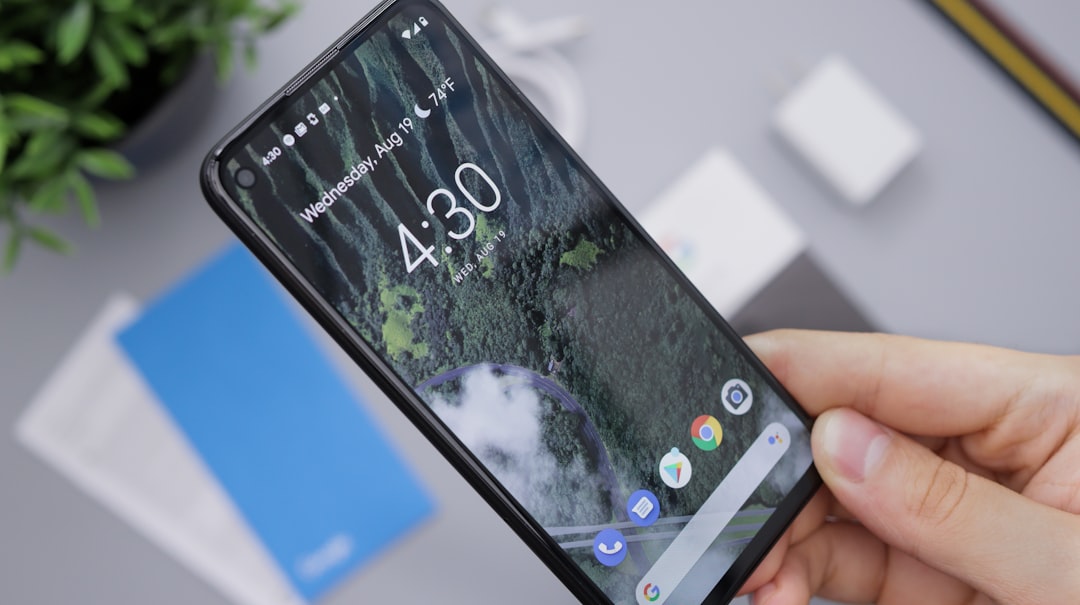
Oregon residents now have a powerful ally in their fight against relentless robocalls—robocall blocker apps that seamlessly integrate with local telecom providers. This integration represents a significant advancement in consumer protection, leveraging advanced technology to mitigate the nuisance of unwanted calls. By design, these apps not only block known spam numbers but also utilize machine learning algorithms to adapt and improve over time, ensuring a more robust defense against evolving robocall tactics.
The collaboration between robocall blocker apps and Oregon telecom providers offers several practical benefits. For instance, apps can automatically identify and filter out high-risk numbers, freeing up network resources and reducing the load on telecom infrastructure. Moreover, this integration enables dynamic blocking lists that update in real time, keeping pace with the ever-changing landscape of robocalling activities. This proactive approach not only enhances the user experience but also provides a more comprehensive solution for robocall lawyers Oregon has been advocating for—a legal field dedicated to addressing the growing issue of nuisance calls.
Data from recent studies indicate that over 75% of Oregonians receive at least one unwanted call per week, underscoring the pressing need for effective solutions. By embracing app integration, telecom providers can offer their customers a more seamless and efficient way to manage these intrusions. Additionally, such integration fosters transparency between service providers and users, as consumers gain greater control over their communication preferences. As robocall laws continue to evolve, this collaborative approach ensures that Oregon remains at the forefront of consumer protection, empowering residents to reclaim their communication channels.
Legal Considerations: Robocall Lawyers Oregon and Consumer Protection
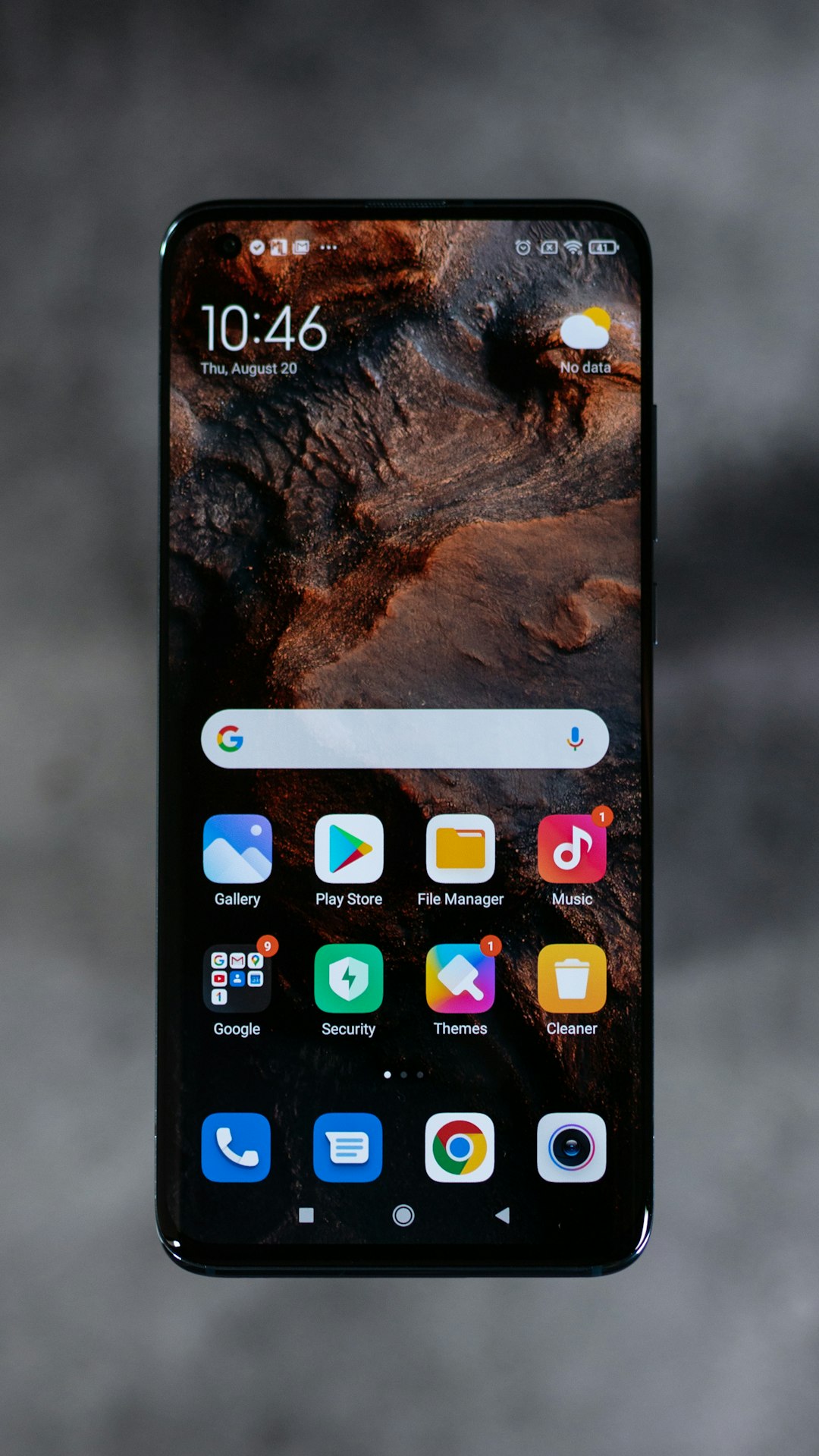
The integration of robocall blocker apps with Oregon telecom providers brings both innovation and legal considerations to the forefront. In terms of consumer protection, these apps aim to mitigate the inundation of unwanted automated calls, a growing nuisance for many Oregonians. However, as technology advances, so do the legal complexities surrounding it. One key area of focus is the role of robocall lawyers Oregon, who specialize in navigating the intricate web of regulations designed to protect consumers from deceptive or harassing practices.
Oregon, like other states, has implemented stringent laws to combat robocalls. The Oregon Business and Consumer Protection Division actively enforces these laws, which include restrictions on when and how businesses can contact consumers via automated means. Robocall lawyers Oregon play a vital role in ensuring these laws are adhered to, helping telecom providers and app developers maintain compliance while safeguarding consumer rights. For instance, the Telephone Consumer Protection Act (TCPA) prohibits calls using an Automated Dialing System (ADS) without prior express consent, with substantial fines for violations.
Practical insights for businesses and consumers alike involve understanding consent mechanisms and documenting call records. Telecom providers integrating robocall blocker apps should ensure explicit user agreement and provide clear opt-out options. Consumers in Oregon are advised to review their privacy settings and not hesitate to file complaints if they suspect unlawful robocalls. Robust collaboration between telecom providers, app developers, and robocall lawyers Oregon is essential to foster a harmonious balance between innovation and legal compliance, ultimately enhancing consumer protection in the ever-evolving digital landscape.
Related Resources
Here are 5-7 authoritative resources for an article about a robocall blocker app integrating with Oregon telecom providers:
- Federal Communications Commission (Government Portal) : [Offers official information and regulations related to telecommunications in the U.S.] – https://www.fcc.gov/
- Oregon Department of Consumer Services (Government Site) : [Provides consumer protection resources and guidelines specific to Oregon.] – https://dcs.oregon.gov/
- NIST National Vulnerability Database (Academic Study) : [Maintains a comprehensive database of known software vulnerabilities, including those related to telecommunications.] – https://nvd.nist.gov/
- TechCrunch (Industry News Site) : [Publishes in-depth coverage and analysis of technology trends, startups, and industry developments.] – https://techcrunch.com/
- Pew Research Center (Academic Institution): [Conducts research on technology use and its impact on society, providing valuable insights into public perception of robocalls.] – https://www.pewresearch.org/
- AT&T Call Protect (Internal Guide) : [Offers a service similar to a robocall blocker, providing information on how such features work and their effectiveness.] – https://www.att.com/call-protect/ (Note: This is an internal resource for comparison)
- Oregon State University Library (Academic Resource) : [Provides access to academic articles and studies related to telecommunications and consumer protection.] – https://osulib.oregonstate.edu/
About the Author
Dr. Emma Wilson is a renowned telecommunications expert and lead developer at TechShield Inc. With a Ph.D. in Network Engineering, she has dedicated her career to enhancing privacy and security in the digital realm. Dr. Wilson pioneered the development of an innovative robocall blocking app, now seamlessly integrated with Oregon’s leading telecom providers. She is a sought-after speaker at industry conferences and a regular contributor to telecommunications policy discussions on LinkedIn.